




















Forex trading, or foreign exchange trading, has become a significant avenue for investors and traders worldwide. With a volume exceeding $6 trillion traded daily, the Forex market is the largest and most liquid financial market globally. In this article, we’ll delve into the intricacies of Forex trading, covering essential strategies and insights, and help you understand how to navigate this complex but rewarding marketplace. To get the most from your trading experience, consider checking forex trading acev.io, which offers valuable resources for both new and seasoned traders.
Understanding Forex Trading
The Forex market involves the buying and selling of currencies, trading them in pairs such as EUR/USD or GBP/JPY. When you trade in Forex, you speculate on the value of one currency against another. For instance, if you believe that the Euro will strengthen against the Dollar, you would buy the EUR/USD pair. Conversely, if you anticipate the Euro will weaken, you would sell the pair.
Market Participants
The Forex market is not limited to retail traders; it includes a wide variety of participants, such as:
- Central Banks: They influence currency value through monetary policy and intervention.
- Financial Institutions: Banks and hedge funds trade large volumes of currency.
- Corporations: Businesses engage in Forex to hedge against foreign exchange risk related to operations overseas.
- Retail Traders: Individual traders who participate in trading currencies online.
Key Concepts in Forex Trading
Understanding the following concepts is essential for successful trading:
- Pips: The smallest price movement in a currency pair, measured to four decimal places.
- Leverage: Allows traders to control large positions with a relatively small amount of capital. However, it amplifies both gains and losses.
- Margin: The amount of money required to open and maintain a leveraged position.
Forex Trading Strategies
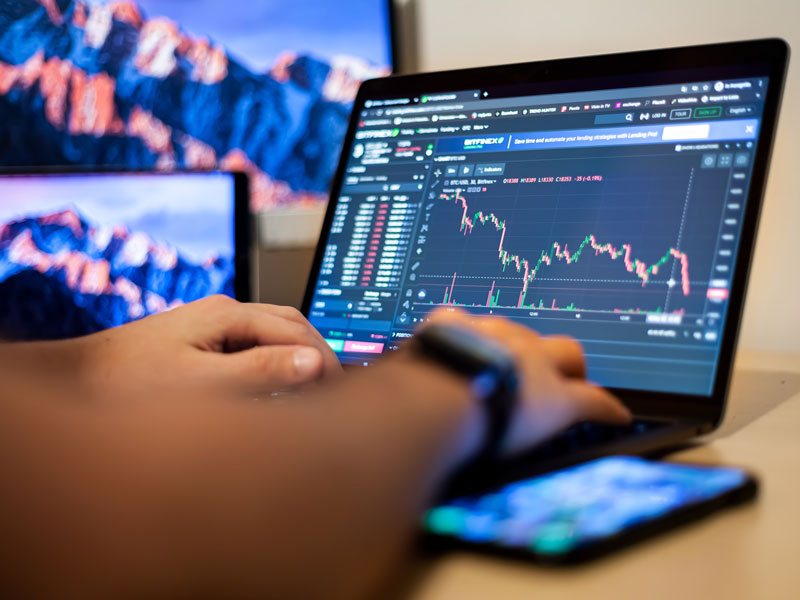
Developing a solid trading strategy is crucial for success in Forex. Below are some popular strategies:
1. Scalping
Scalping is a short-term trading strategy focusing on small price changes. Traders make many trades in a day, looking for quick profits from minor market movements. This strategy requires a disciplined approach and significant time commitment.
2. Day Trading
Day traders open and close positions within the same trading day, avoiding overnight risks. They rely on technical analysis, chart patterns, and economic news to make informed decisions.
3. Swing Trading
Swing traders hold positions for several days or even weeks to capitalize on expected price movements. This strategy requires patience and a sound understanding of market trends and indicators.
4. Position Trading
This long-term strategy involves holding positions for an extended period, from weeks to years. Position traders rely on fundamental analysis and the overall economic outlook for currencies.
Risk Management in Forex Trading
Risk management is crucial in Forex trading to protect your capital. Here are some key techniques:
- Use Stop-Loss Orders: This tool automatically closes a trade at a specified price, limiting potential losses.
- Position Sizing: Choose the amount of capital to risk on each trade relative to your overall account size to manage risk effectively.
- Diversification: Avoid putting all your capital into one trade or currency pair; instead, spread it across various trades to mitigate risk.
Choosing a Forex Broker
Selecting the right broker is critical to your trading experience. Consider the following factors:
- Regulation: Ensure the broker is regulated by a recognized authority to protect your funds.
- Trading Platform: The platform should be user-friendly, equipped with necessary tools and features for analysis.
- Spreads and Commissions: Compare fees and ensure they fit your trading strategy.
- Customer Support: Reliable customer service can make a significant difference in your trading experience.
Economic Indicators Affecting Forex
Economic indicators play a vital role in shaping Forex market trends. Key indicators to watch include:
- Gross Domestic Product (GDP): A rising GDP usually strengthens a country’s currency.
- Employment Data: Reports such as non-farm payrolls can significantly impact currency value.
- Inflation Rates: High inflation can lead to currency depreciation.
- Interest Rates: Central bank interest rates are crucial in determining currency strength.
Conclusion
Forex trading offers immense opportunities but comes with risks that require careful navigation. By understanding the market structure, developing effective strategies, managing risk effectively, and staying updated on economic indicators, you can improve your chances of success. Remember, ongoing education and practice are essential in Forex, as this market is always evolving. With the right approach and mindset, you can strive to achieve your trading goals and success in the Forex marketplace.